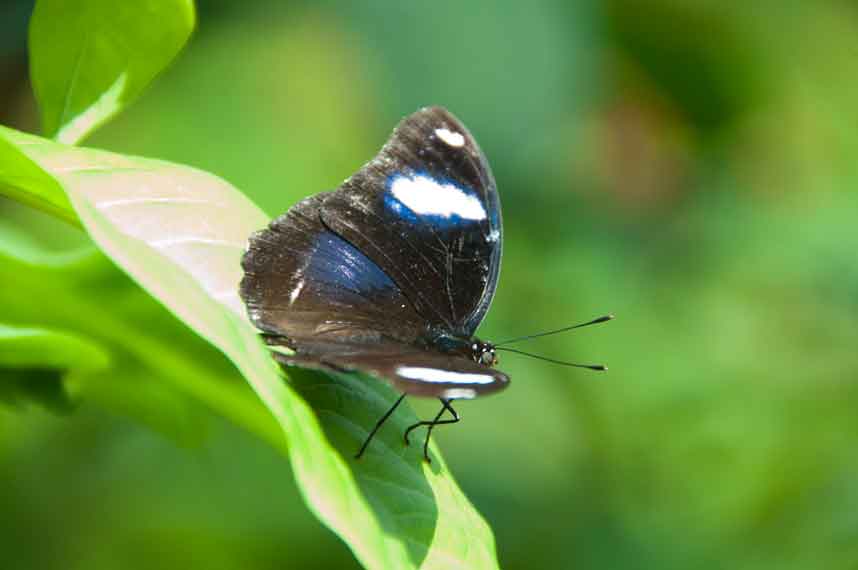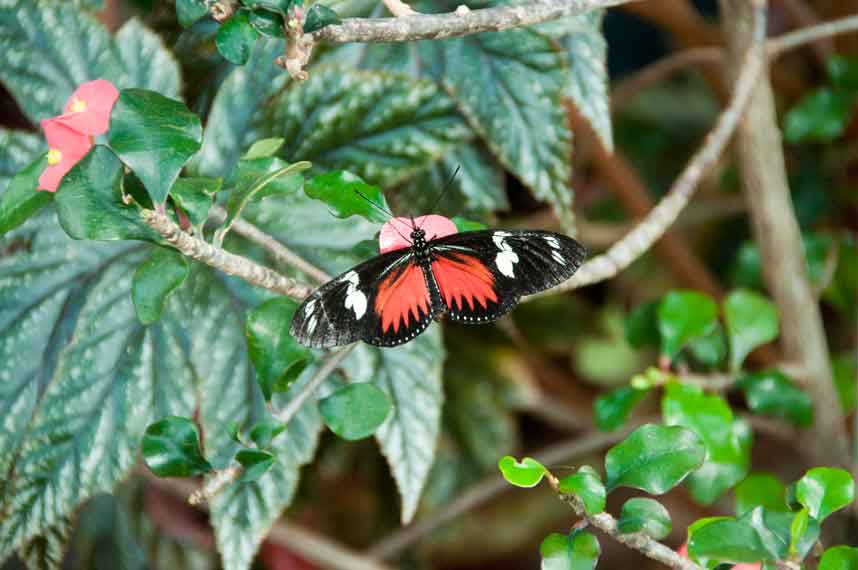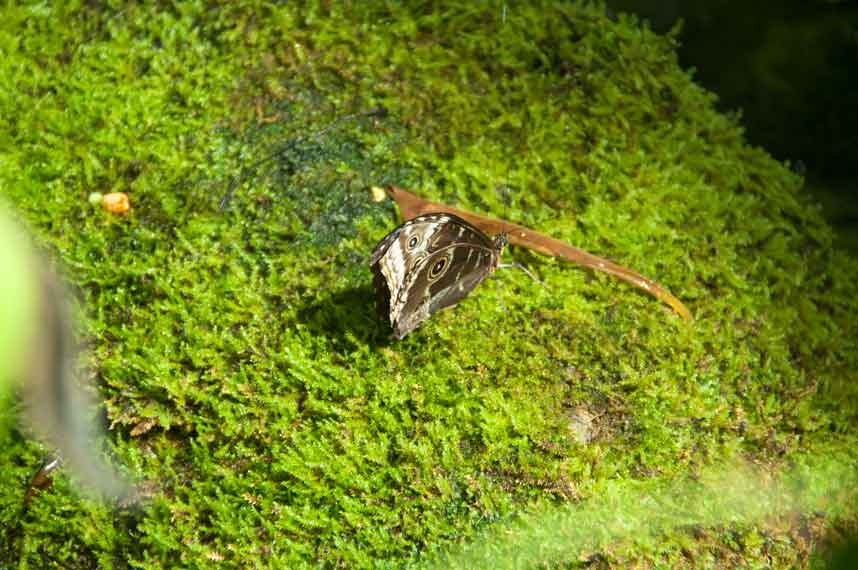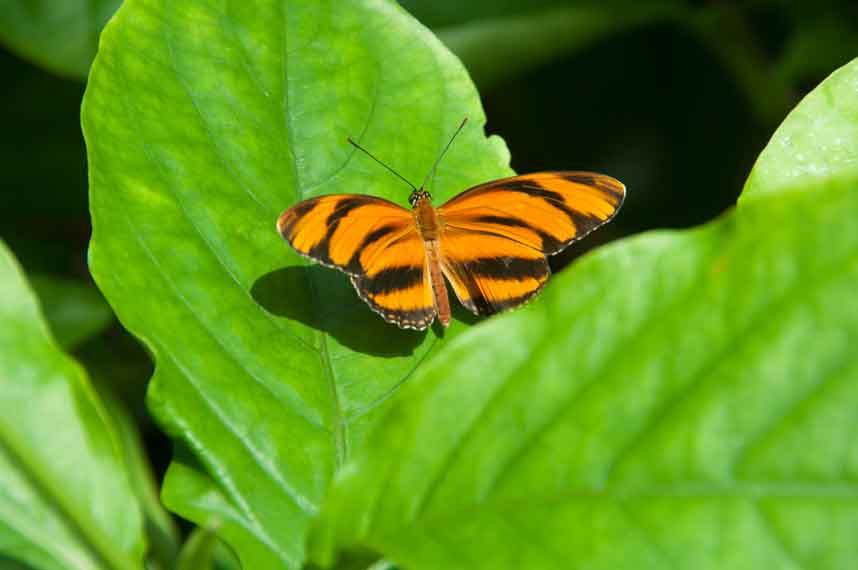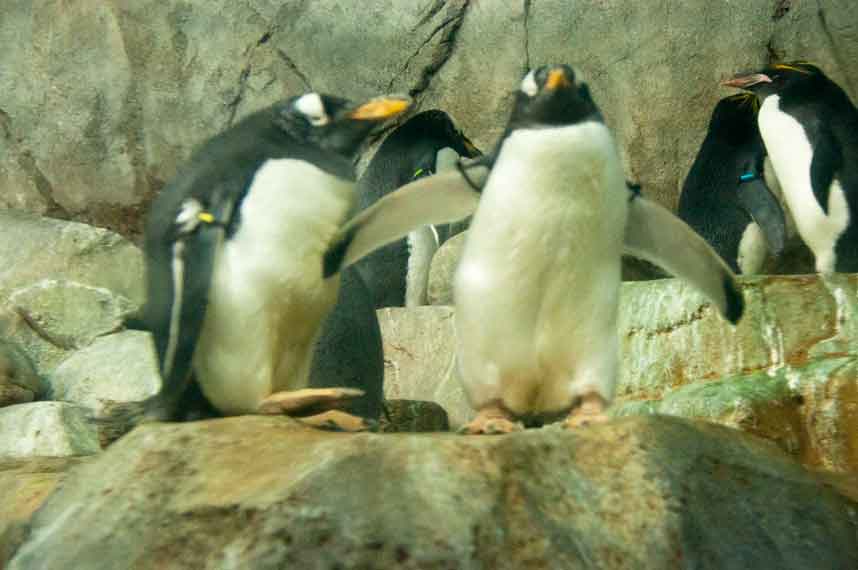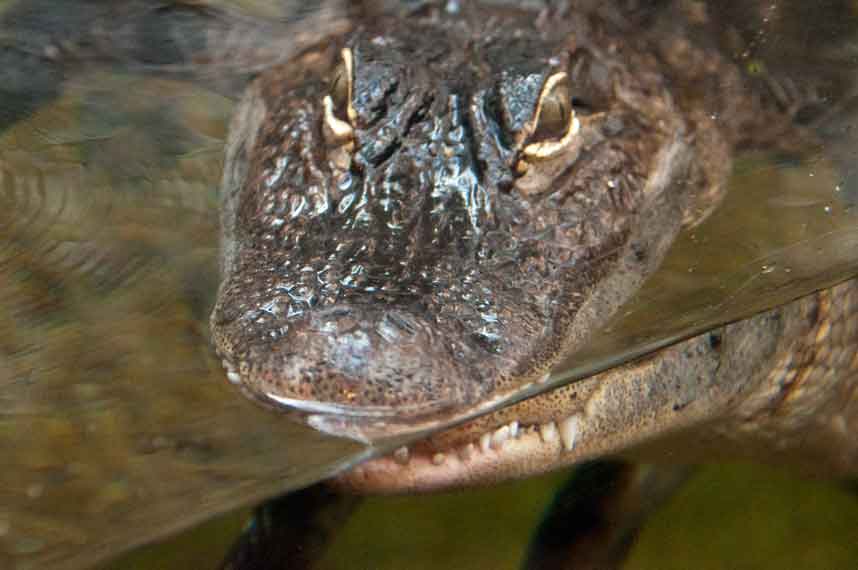
The Tennessee State Aquarium is located in Chattanooga, Tennessee. It is separated into two buildings; one is salt water fish and the other is fresh water. Enclosures in both building are quite large and feature different ecosystems from various parts of the world. The salt water area includes a butterfly exhibit, penguin habitats, sharks and reef and tide pool fish. The fresh water side had a Tennessee fly fishing stream exhibit, an alligator habitat, and fresh water fish such as trout and bass.
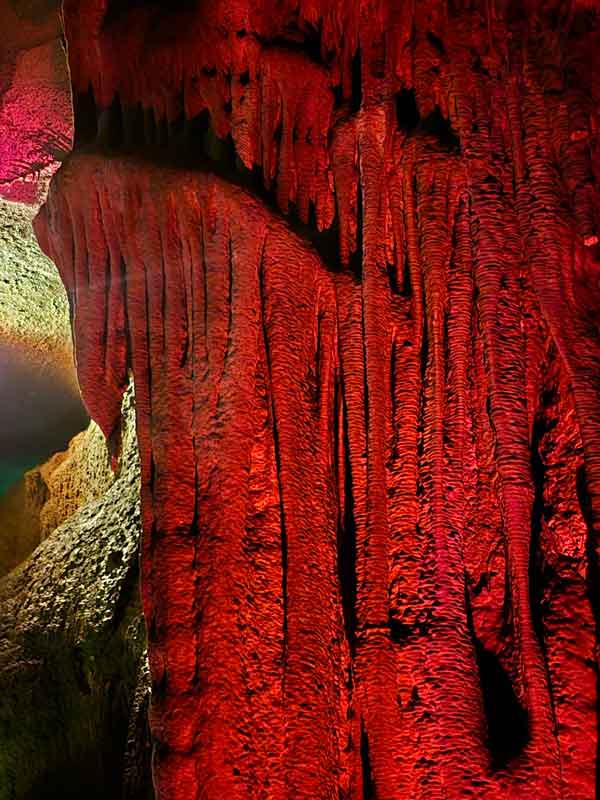
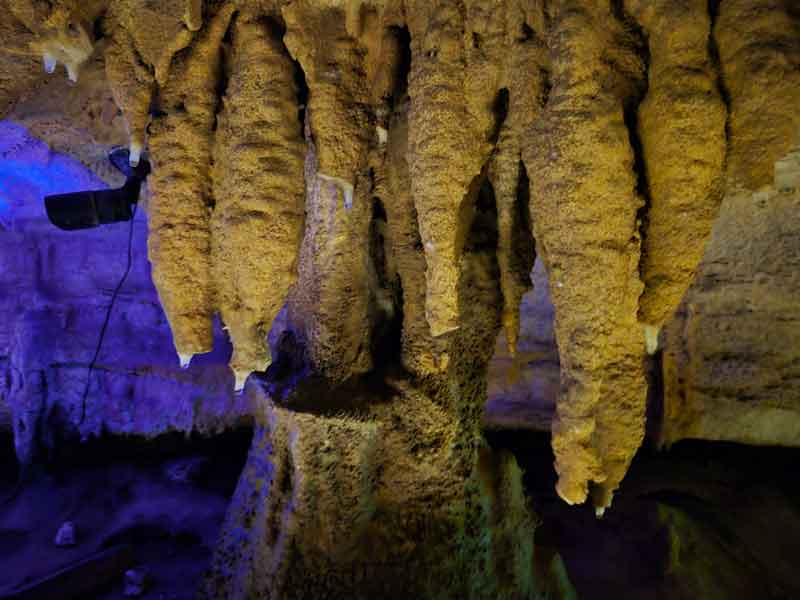
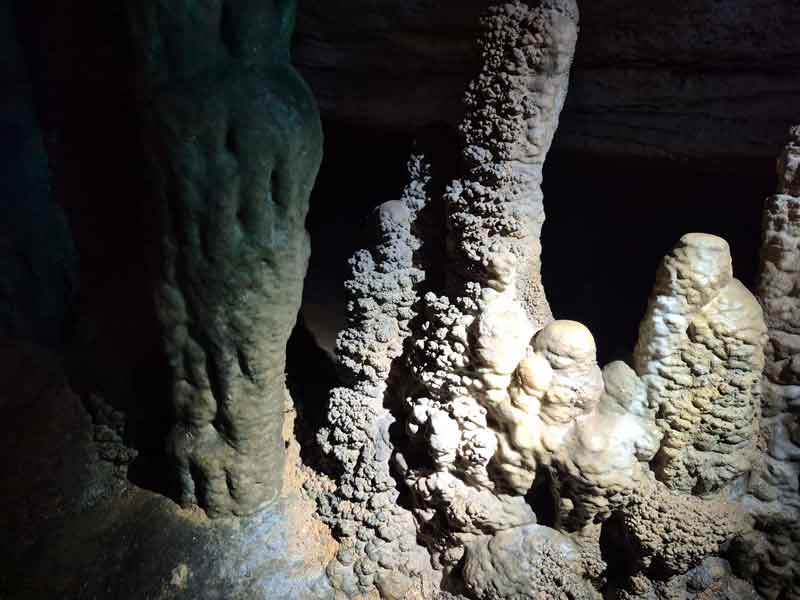
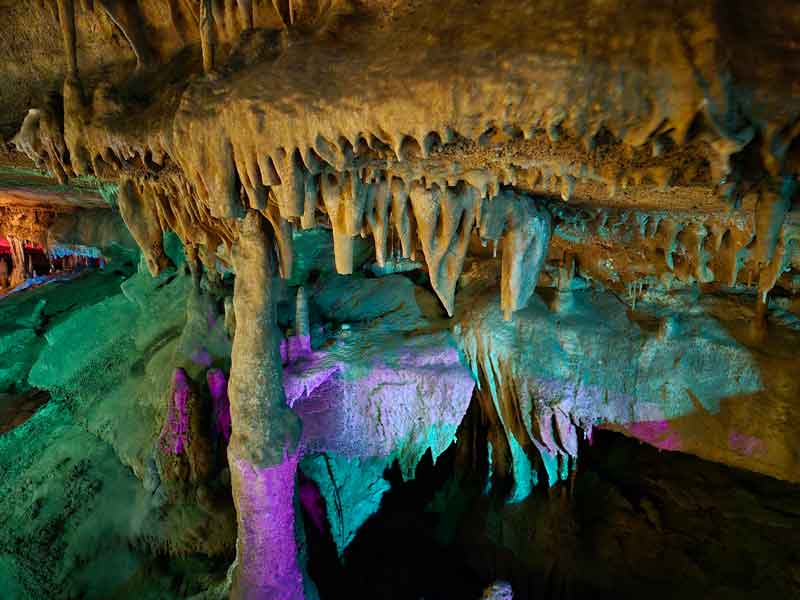
We are currently at the Raccoon Mountain Caverns and Campground. There are caverns attached to the camp ground. There are about 5 miles of underground passages, though our tour was only a small portion. there are very small bats and several different types of salamanders and insects. The cave tour was about 45 minutes. Unfortunately, there is no flash photography in the cave, since the animal life is highly sensitive to light.
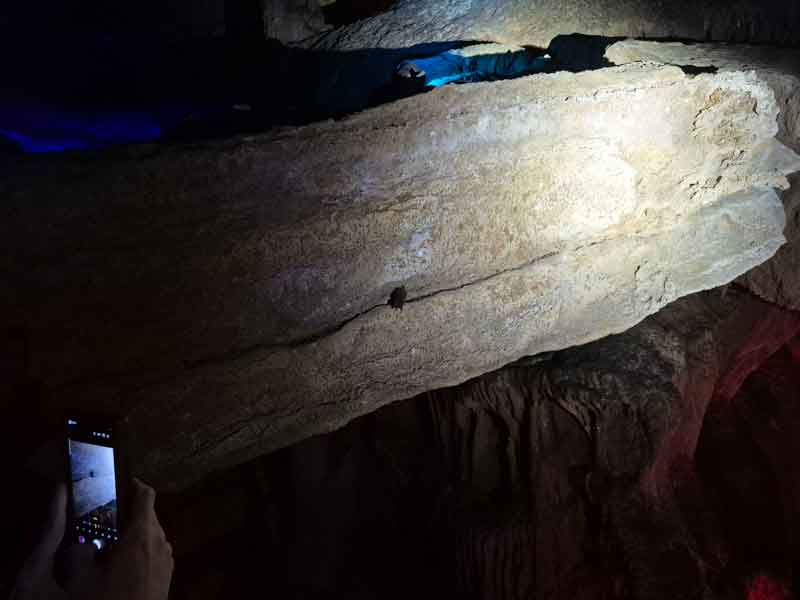
The small round mark in the center of the frame is a miniature bat
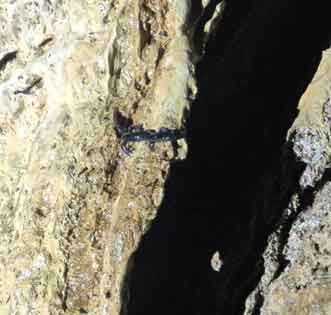
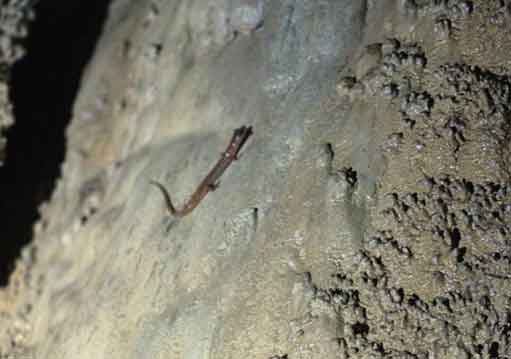
In the center of this picture is a black salamander
There were several sites we visited in Atlanta. Since we both like going to aquariums and zoos, we went to the Georgia State Aquarium and Zoo Atlanta. We also visited the Coca Cola museum.
The aquarium is located in the center of town in a museum district. It is advertised as the largest aquarium in the Western Hemisphere with over 500 species including whale sharks, beluga whales and manta rays.
Our net stop was the Coca Cola Museum. Coca Cola is based out of Atlanta. The museum goes over the history of Coca Cola eventually ending in a large room with Coke dispensers with not only every US flavor, but products they sell world-wide. We were able to spend all the time we wanted and taste the different products. Most were good but the were some that were not that good.
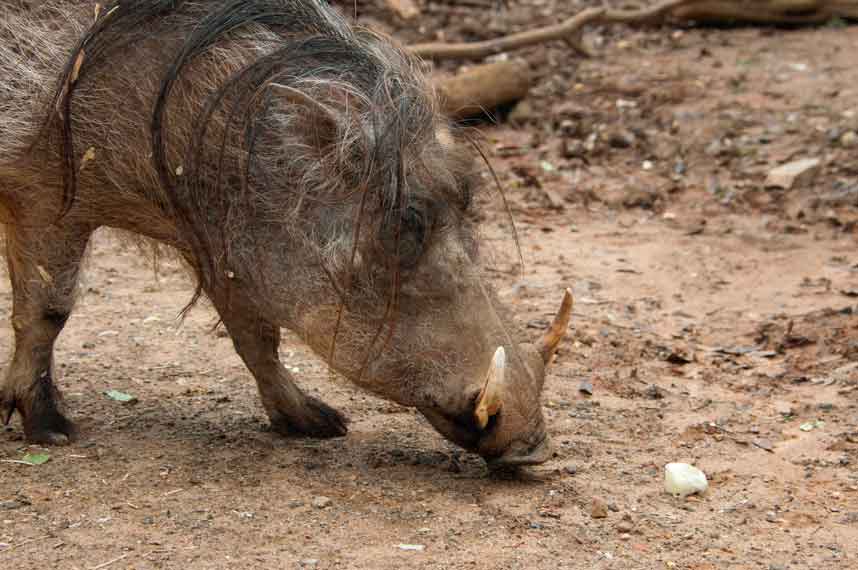
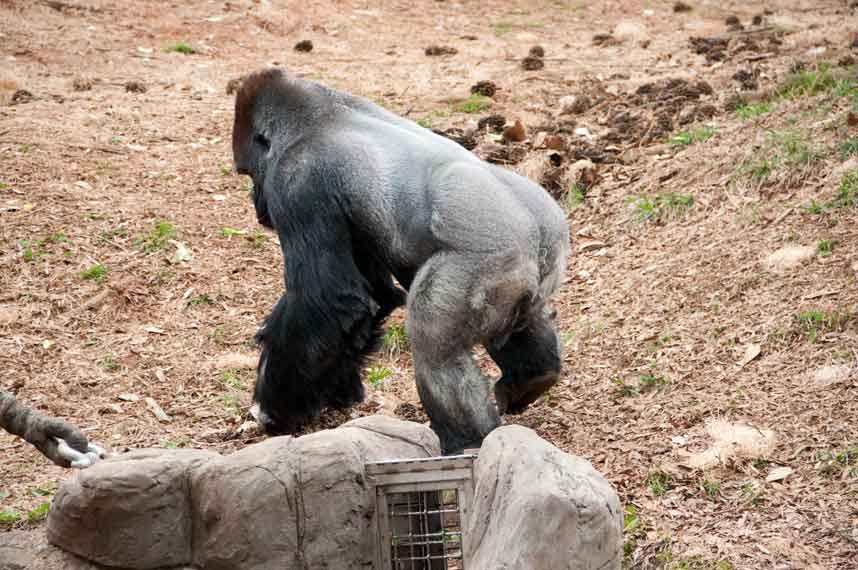
Our final stop was Zoo Atlanta. The zoo in known for its reptile and and amphibian collection. We walked the entire zoo and what was impressive were the large enclosures. Animals have lots of room to wonder including trees and dirt and rock hills to simulated their natural conditions. The reptile and amphibian houses were huge and has a large assortment of inhabitants.
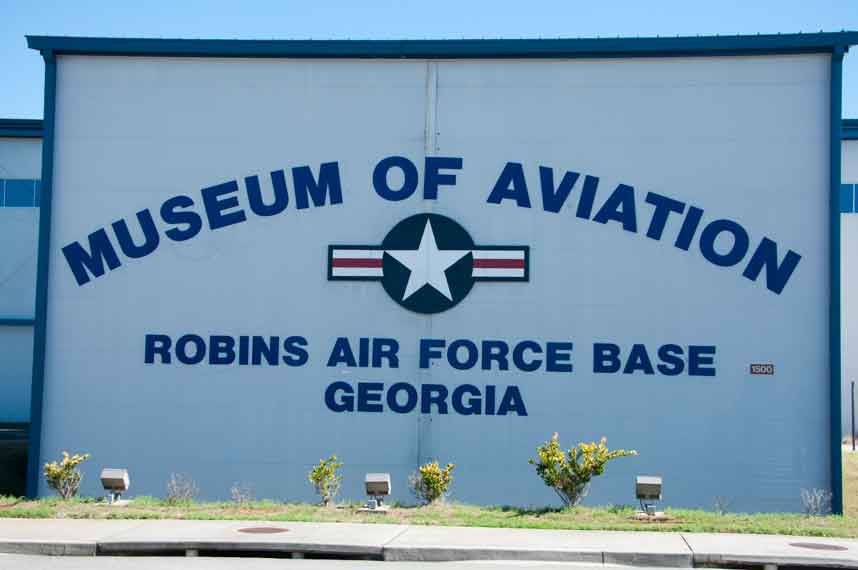
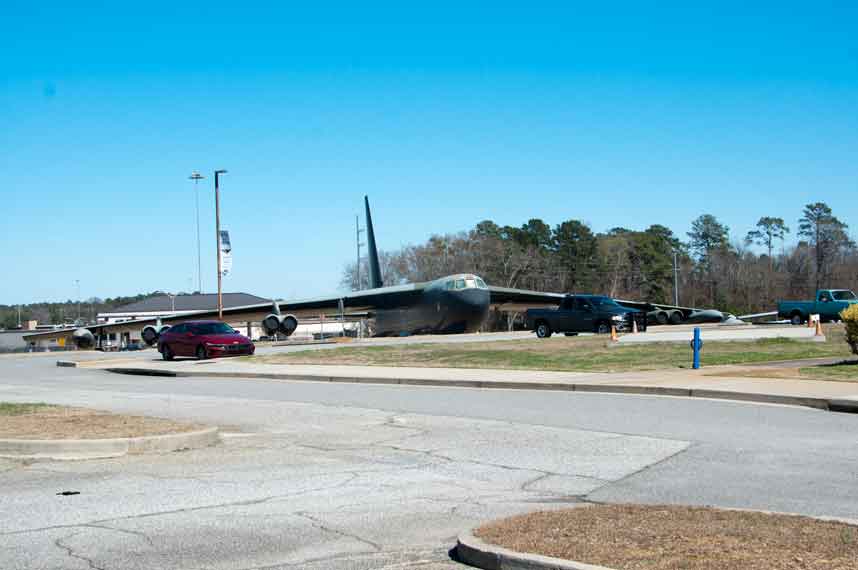
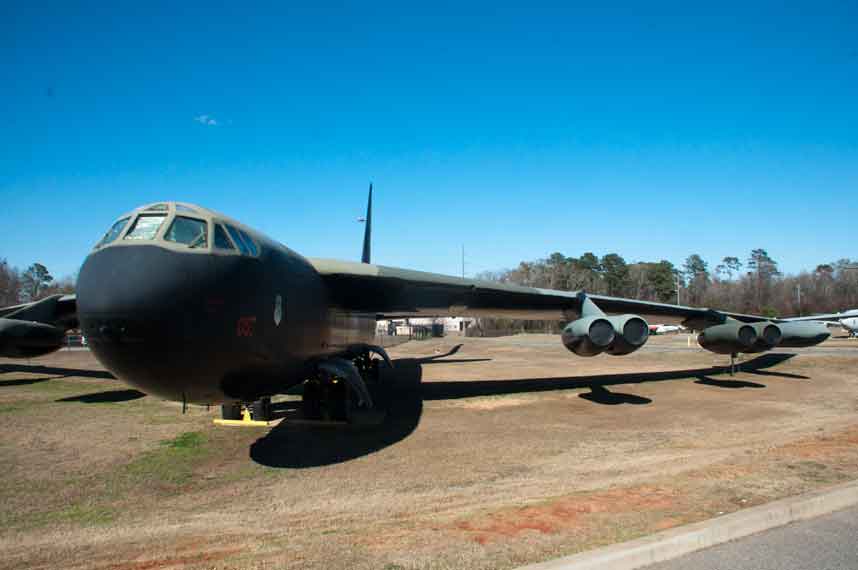
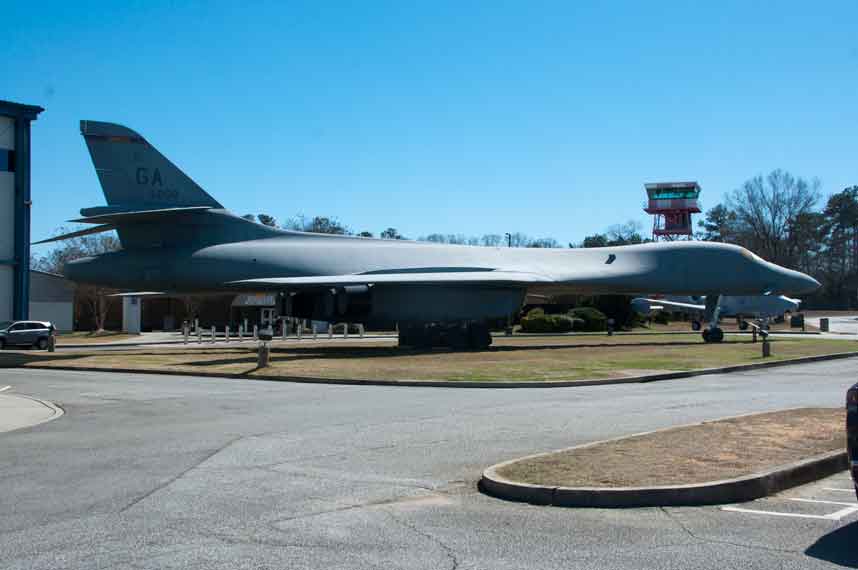
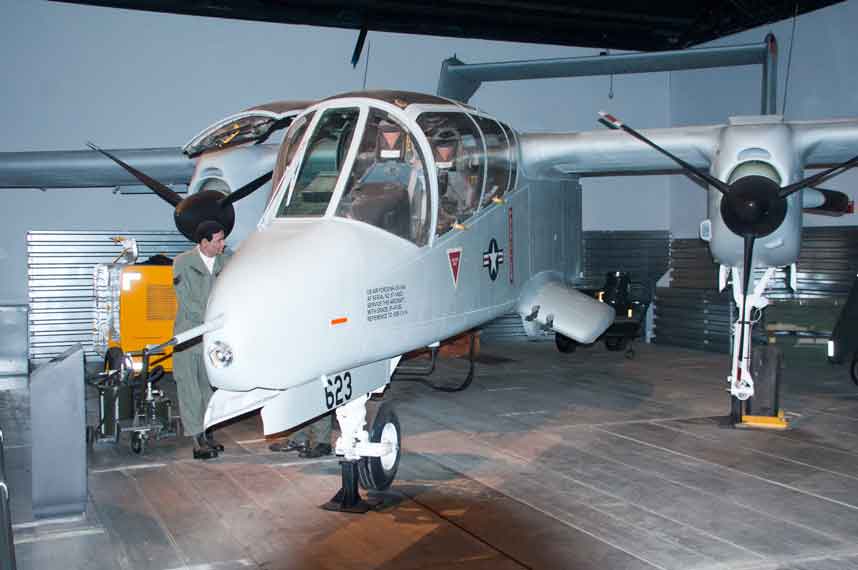
Before leaving for Atlanta, we visited the Jefferson Davis Museum and Robins Air Force Base Museum of Aviation. just north of Macon, Georgia.
The museum was small but had some nice exhibits. This is the location of Davis’s capture near the end of the Civil War. There is no photography allowed in the museum. There are artifacts in the museum depicting his life.
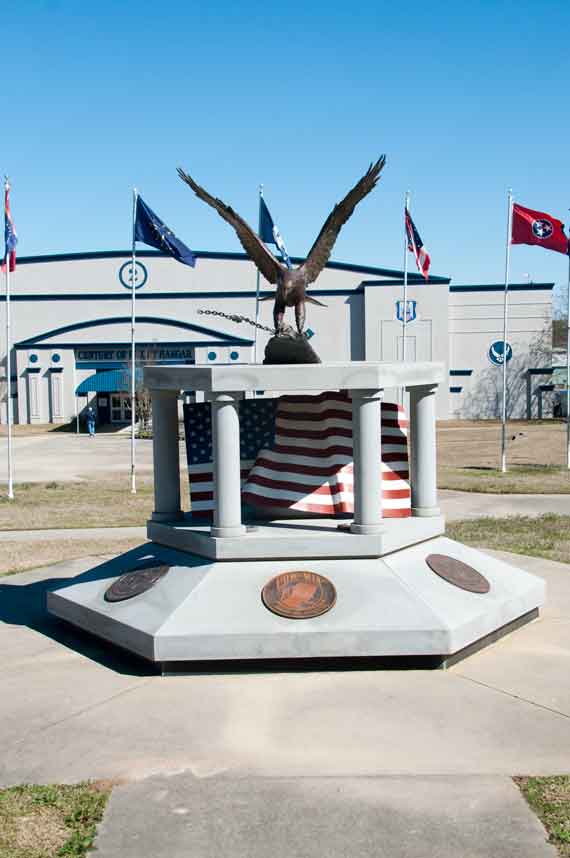
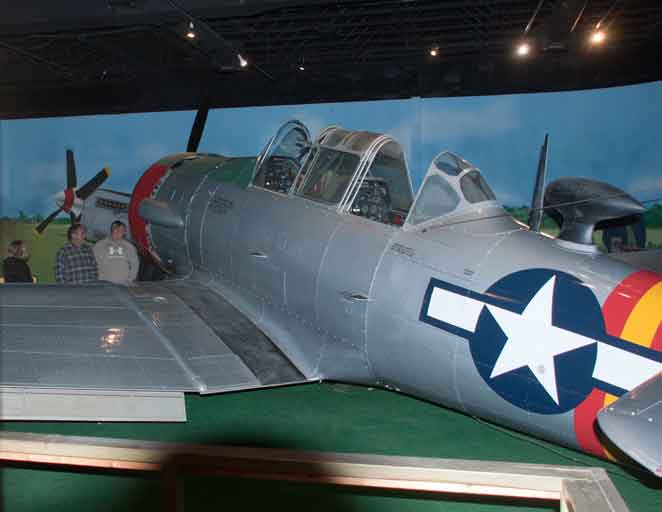
The Air Force Museum is north of Macon, Georgia. The base is still an active duty base home to the Warner Robins Air Logistics Complex with over 22,000 military, civilian and contractor personnel. The museum is free and is said to be the second largest air museum in the country behind Wright Patterson ir Force Base outside of Dayton, Ohio.
The most interesting planes we observed were the B-52 bomber, the B-1 bomber, and the SR-71. The museum has four hangers with planes from WWII, Korea, Vietnam, and the Gulf Wars.
This location has the National Prisoner of War museum, the Confederate Fort Sumter prison site, and a national cemetery.
The museum covers all wars the United States has been involved in. It is a very well done museum and includes videos of POW’s from WWII, Korea, Vietnam and the Gulf Wars. There are notes and pictures from the Civil War describing the horrible conditions at both the Confederate prisons and the Union prisons.
Fort Sumter was hastily built to reduce over crowding at other Confederate prisons. Over 13,000 Union soldiers died (28%) in the prison from malnutrition, bad medical care, scurvy, and dysentery. The camp, which was in operation for 14 months, was opened February 1864 was designed for as an overflow detention center but grew to 45,000 prisoners.
There are a number of monuments throughout the prison from various states in the North commemorating their soldiers.
The Park Service placed bench marks showing locations of wells.
Prisoners were forced to use this small stream for water. Further downstream, they used the stream as a bathroom. Unfortunately, the guards used the stream upstream from the prisoners to drink and to defecate.
Prisoners attempted to escape by digging tunnels, but were not successful. There are several fenced areas where you can see the holes.
The camp was surrounded by tall wood poles installed by slaves. The encampment was about 16 acres of this fence. Entrances were double doors with steel frames.
Guard towers were installed every one hundred feet.
Cement poles mark boundries.
The National Cemetery is still in use for our veterans. The cemetery is well marked making it easy to separate civil war soldiers from current soldiers.
There is an ongoing attempt to name soldiers and find their date of death. Most graves only have a number and identified name.
You will notice there are grave sites with headstones only inches apart. These were mass graves with the headstones identifying the bodies in the grave.
We took a lunch cruise on the Savannah River. It was suppose to be a paddle boat, however, it had a paddle but used a conventional propeller. Lunch was very good, with traditional Southern food such as shrimp with grits, southern fried chicken, and of course banana pudding.
The weather did not cooperate so we did not see a lot of wildlife but there were lots of brown pelicans. We passed Old Fort Jackson (built in the early 1800’s) and watched them fire their cannon for visitors at the fort. The guide pointed out the location where Liberty sips were built during the second world war and other city sights.
The buildings were first built in 1833 by the Central of Georgia Railroad and Canal Company. The yard is still mostly the same as it was when originally built, though part of the round house was removed. During the civil war, General Sherman of the US Army was given the task to stop the trains, which he accomplished by destroying engines and track. Many of the buildings were built by Slaves and there are still areas you can view their fingerprints on the bricks.
They still have a number of cars and engines. The original machine shop and paint shop are still there. There are several unique features still visible. The builders built underground tunnels to vent steam and smoke from the work areas to the main smoke stack. At the bottom of the smoke stack is a cistern which collected rain water which was heated by the hot smoke and used for employee showers at the bottom of the smoke stack. They used wood bricks in the round house rather then bricks or cement. Oil leaks and lubrication would sit on the bricks but would hit the wood and sink to underground pipes which routed the lubricants to lubricate the turn table. This is the largest facility of its kind in the world.
The museum receives no public funds. Admissions and donations run the program. The also have been a number of films shot at the facility including the 2019 Lady and the Tramp. and The Birth of a Nation.
Below is the large smoke stack.
Below, are the wood bricks which helped funnel lubricanr to the turn table.
Below is the turn table which is so well balanced, one person can turn it with an engine on board by hand.
The next two pictures are the original machine shop tools with the exception of the fan.
The picture below is the cistern and on the bottom, the heated showers.
The fort was built in the mid 19th century on Cockspur Island by the US military. It was captured by the Confederates’ during the Civil War. The fort was recaptured after a 24 hour battle where over 5,000 artillery rounds were exchanged. What helped the US military win the battle, was a new type of cannon with a rifled barrel.
While we were at the fort, two cannons were fired, without projectiles, to demonstrate the procedures used. The outer wall has not been repaired; you can readily see where each eimpact occured from the US military.
Bugler calling artillery men to action.
in the next picture, you can just make out a cannon ball in the hole on the center of the picture.
The next picture shows damage on the east wall side of the fort.
We got up at 5am this morning to watch the Space X launch from Cape Canaveral, which is about 60 miles east of us. The sky was clear and it was cool watching the launch and separation.
We are currently at Hamcation in Orlando, Florida. We won our tickets to attend at the Huntsville Hamfest.
We left Vegas mid January. Our first stop was at the Distant Drums RV Park on the Yapapai-Apache reservation by Sedona to visit our cousin Jason.
Next, we went to Katy, Texas to visit our friend Paul and his wife. We arrived right before the freeze struck. The campground we stayed at had car ports for large motorhome homes like ours, so we were shielded from the rain and ice though it was in the 20’s at night and 30’s in the day. I’m glad we had our electric hose for water.
We were there for several days until the weather broke and interstates were clear of ice. We did visit Kenny and Ziggys deli in Houston for a delicious lunch.
After leaving Texas, we stayed in New Orleans. We visited the World War II museum which is very well done. This is our second time there. The first time, only half the the museum was complete so this time we went to the new side. We also went on a 3 hour Mississippi River tour on a steam paddle boat and had a great time.
Our next stop was Panma Beoach, Florida. The first few days was cold and then the weather changed to very nice. Unfortunately the fish were not bitting though we had a good time fishing. The pier was 1500 feet long and did not require a license
We also visted the Gulfarium on Okaloosa island. It was small but very nice.
Finally, we made to the Hamcation in Orlando, Florida. This is our first time here. They say it’s the second largest ham radio hamfest in the country behind Dayton, Ohio. The big difference here is they use the entire State fairgrounds with over 200 attendees camping at the location in their RVs. The fairgrounds supply water and electricity at each site and a honey wagon is available to pump out holding tanks.